



The Challenge
A claim that had already stalled — twice.
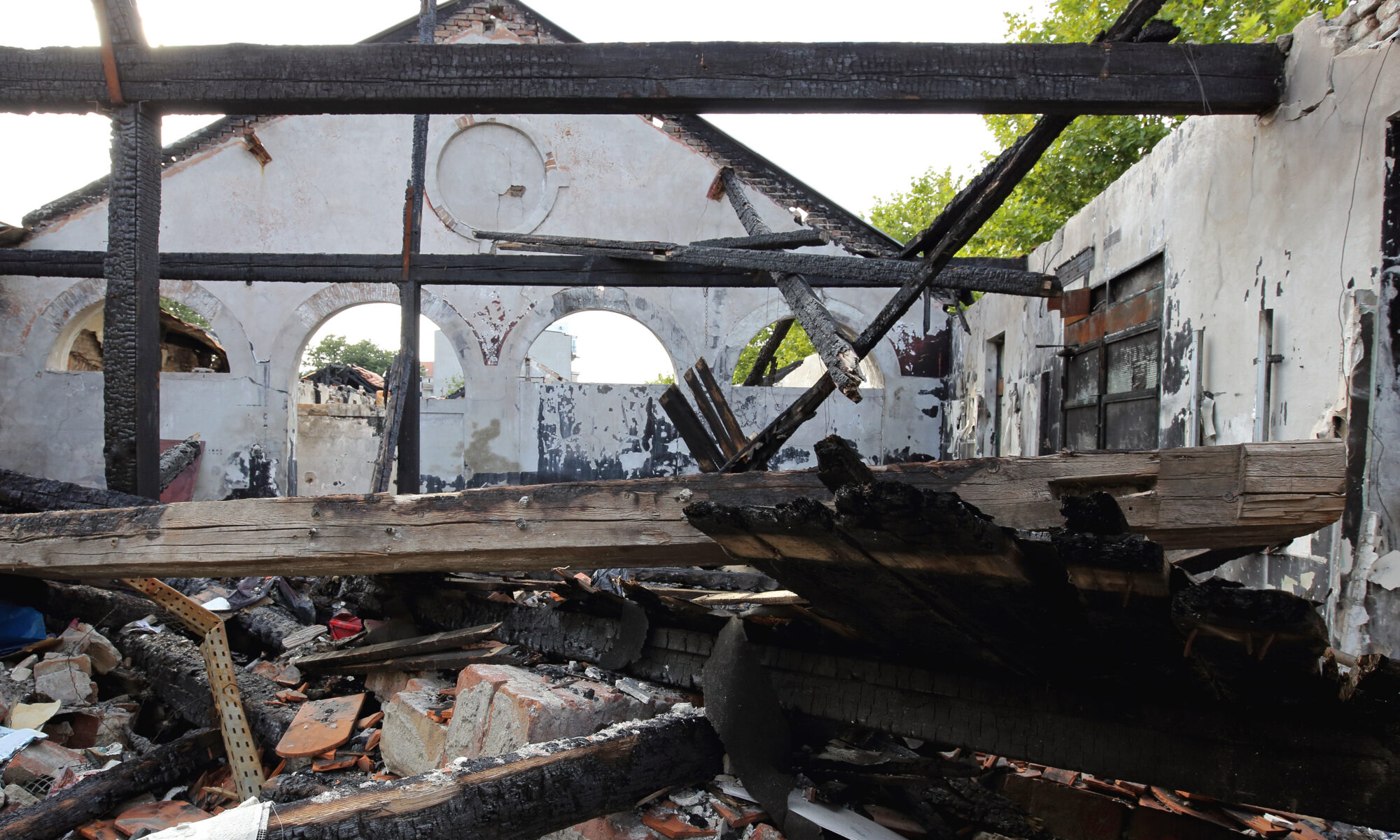
Fire losses are among the most complex insurance claims a policyholder can face. Even when coverage exists, carriers often demand extensive documentation, scrutinize causation and scope, and challenge the value of structural repairs, personal property, and the real-life costs of displacement. The result is frequently delay, underpayment, or a claim that simply stalls.
This matter presented an additional hurdle: Hayes Hunter and McDonald Arreguin were brought in after two previous law firms had already attempted — and were unable — to resolve the claim. By the time new counsel steps in under those circumstances, momentum is gone, positions are entrenched, and critical proof issues may be developing in the background.
The policyholder needed more than effort. They needed a plan to restart a claim that had stopped moving.
The Strategic Approach
Not more of the same — a litigation-ready reset.
When a case has stalled, the solution is rarely “more of the same.” Hayes Hunter and McDonald Arreguin approached the claim with a fresh, litigation-ready mindset designed to remove bottlenecks and force clarity — on coverage, scope, and valuation — without compromising professionalism or credibility.
Meticulous File Reconstruction
Rebuilding the claim file from the ground up to determine what was submitted, what is missing, and what may have been misunderstood. Stalled claims often stem from documentation gaps or inconsistent narratives — reconstruction corrects those issues and restores leverage.
Evidence-First Review
A detailed review of the loss documentation was completed to align the claim presentation with policy requirements. Insurers respond to precision — clean, organized proof helps accelerate resolution.
Expert-Informed Evaluation
Consulting the appropriate professionals to confirm scope, pricing, and repair logic. Fire damage isn’t always obvious, and expert support helps prevent undervaluation.
Targeted Negotiation with a Litigation Posture
Presenting the claim clearly, challenging improper positions, and negotiating from a position of readiness to try the case if necessary. Insurance companies settle differently when they know counsel can prove the case.
Relentless Follow-Through
Setting deadlines, tracking requests, and insisting on timely responses. Delay can be an insurance company tactic — consistent pressure keeps the claim moving forward and reduces claim drift.
The Settlement Elements
A nearly $500,000 recovery across four key categories.
The result reflects both the seriousness of a fire loss and the importance of purposeful legal strategy. The settlement addressed the categories most commonly at issue in fire claims:
Dwelling Damage
Covers repair or replacement of fire-damaged building components and related construction costs. Often disputed over scope, pricing, or the need for hidden damage repairs and code-related upgrades.
Personal Property Loss
Covers replacement value or actual cash value of belongings damaged or destroyed. Frequently contested due to documentation gaps, valuation disputes, and depreciation calculations.
Additional Living Expenses (ALE)
Covers increased costs from displacement — temporary housing, meals, and necessary expenses. Often underpaid due to documentation requirements and disagreements over what is considered reasonable.
Prompt Payment Interest
Statutory interest recoverable under the Texas Insurance Code when an insurer fails to timely pay a covered claim. Increases total recovery and compensates policyholders for carrier-caused delays.
Is your fire claim delayed, underpaid, or stuck?
Complex fire claims require specialized experience, disciplined evidence development, and strategic negotiation. Contact Hayes Hunter and McDonald Arreguin to schedule a consultation.